

Two Types of Microscopes (and How to Choose the Right One for Your Homeschool)
There’s a moment every homeschool parent remembers—the first time a child leans over a microscope and whispers, “Wow… I didn’t know it looked like that.” A simple feather suddenly shows barbs and hooks like a tiny zipper. A seed reveals ridges you could never see before. Something familiar becomes astonishing.
A microscope can open that door.
But choosing one can feel far less magical.
Most families know they “need a microscope someday,” but they don’t realize there are two very different kinds—and each one is built for a different kind of seeing. This confusion leads to frustration, poor purchases, or a microscope that ends up gathering dust because no one knows what to do with it.
Let’s clear the fog so you can choose confidently and enjoy the wonder these tools are meant to offer.
There Are Two Main Microscopes Used in Homeschooling
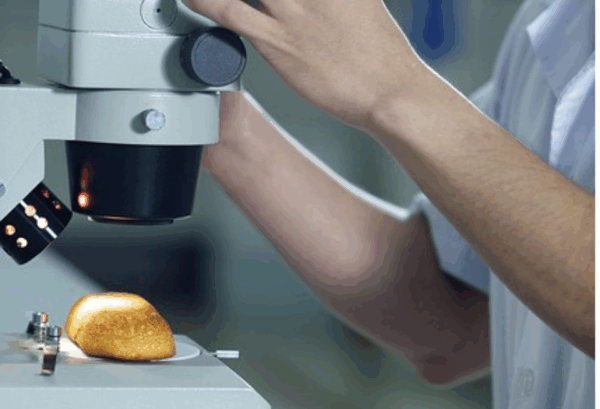
1. The Stereo Microscope
(often called a dissecting microscope)
This microscope is designed for solid, three-dimensional objects—the kinds of treasures children bring home in their pockets.
It offers lower magnification (typically 10×–40×), but the image is bright and crisp. You simply place an object on the stage and look. No slides. No prep. No thin slices.
A stereo microscope lets you examine things such as:
- feathers and moss
- rocks and crystals
- shells, seeds, and pinecones
- insect wings and legs
- coins, soil layers, wood grain
- anything found outdoors
It’s the most natural fit for nature study, object lessons, and the kind of open-ended exploration Charlotte Mason encouraged. Children use it easily and independently, and it becomes a beloved tool for observing the real, tangible world.
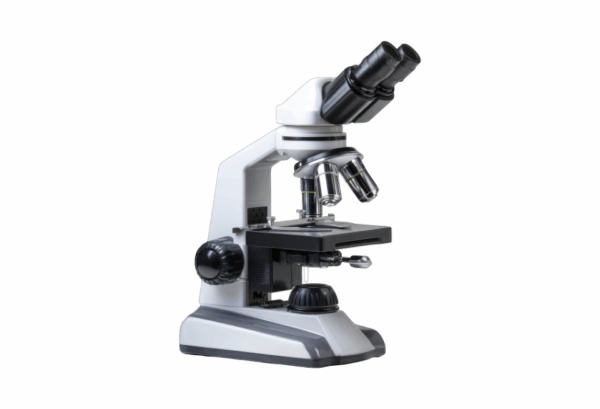
2. The Compound Microscope
(sometimes called a light microscope)
A compound microscope is designed for thin, transparent specimens. Instead of placing something on the stage, you usually prepare a slide.
Because light needs to pass through the sample, the object must be extremely thin—often sliced, squashed, or dissolved in water.
This microscope offers higher magnification (40×–400×, sometimes 1000× with oil immersion) and is used for more formal scientific study.
A compound microscope lets you observe:
- plant cells
- pond organisms
- onion skin layers
- thin leaf sections
- yeast, molds, and bacteria (with proper preparation)
- prepared slides of tissues or blood cells
This is the microscope most people picture when they think of “biology.” It can be essential for high school science and is a powerful window into the microscopic world—but it does require guidance and practice.
Which One Do You Need?
Charlotte Mason emphasized real observation—seeing, noticing, and forming a relationship with the natural world. A microscope, like a magnifying glass or a nature notebook, is simply a tool that supports this habit of attention.
- The stereo microscope strengthens that early relationship with familiar things.
- The compound microscope reveals the hidden structure beneath what students have observed for years.
Both serve your children well, each in its proper season.
For Forms 1-2 (grades 1-6):
Choose a stereo microscope if you really want to buy a one now. (Maybe the grandparents are looking for a special gift to buy the kids?)
It matches their natural curiosity and allows immediate, joyful exploration of the real world.
For Form 3 (grades 7-8):
Either microscope can work.
Your choice depends on your goals:
- If nature study is central → stereo
- If you’re introducing formal scientific concepts → compound
For high school biology (grades 9-12):
You will need a compound microscope. Cell studies and standard biology labs require it.
Where to Go From Here
If you’d like help deciding what to buy—and what features actually matter—Part 2 and Part 3 of this mini-series go deeper:
Each one offers practical guidance, age-appropriate advice, and the features that truly make a difference.
The world is full of wonders waiting to be seen—and the right microscope will help your child step a little closer to them.